
Seborrheic Dermatitis: A Comprehensive Guide
1. What is Seborrheic Dermatitis?
Seborrheic dermatitis is a common, chronic inflammatory skin disorder that affects areas of the body rich in sebaceous glands (like the scalp, face, and upper torso). It often results in red, inflamed skin and yellowish, greasy scales. This condition can affect individuals of all ages and is often exacerbated during colder weather.

2. Causes and Pathogenesis
The cause of seborrheic dermatitis is multifactorial. It involves the overgrowth of a type of yeast called Malassezia, which feeds on the oils produced by the sebaceous glands. Other contributing factors include genetics, stress, hormonal changes, and environmental influences.

3. Clinical Features
Seborrheic dermatitis is commonly seen on the scalp, eyebrows, nose, and chest. It appears as:
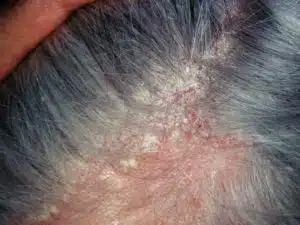
- Scalp: Flaky, oily dandruff or thick yellowish scales.
- Face: Red patches around the eyebrows, nose, and sometimes eyelids.
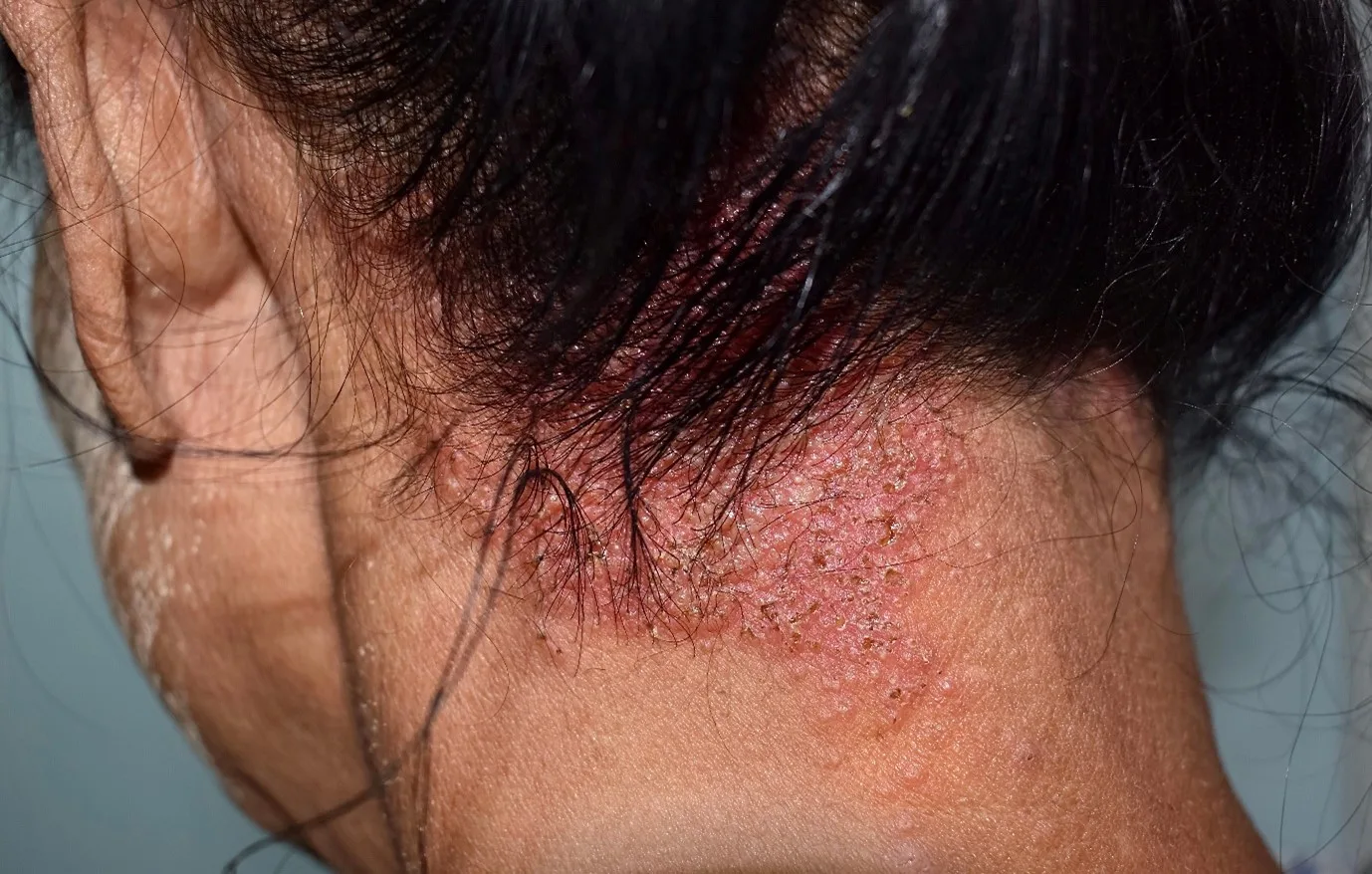
- Upper body: Red, greasy patches that can develop on the chest, back, and in skin folds.
Note: Seborrheic dermatitis tends to worsen during colder weather and in individuals with oily skin.
4. Diagnosis of Seborrheic Dermatitis
Diagnosis is primarily clinical, based on visual inspection of the affected skin areas and patient history. In rare cases, further tests may be necessary to rule out other skin conditions like psoriasis or eczema.
5. Treatment and Management
There is no cure for seborrheic dermatitis, but the condition can be managed with the following treatments:
- Topical Antifungals: Creams or shampoos containing ketoconazole, ciclopirox, or selenium sulfide.
- Topical Corticosteroids: To reduce inflammation, though these should be used with caution on facial areas.
- Calcineurin Inhibitors: Used for facial lesions, especially in sensitive areas like the eyelids.
- Medicated Shampoos: Zinc pyrithione or coal tar-based shampoos can control scalp symptoms.
Note: Consistent treatment is necessary to manage flare-ups, as seborrheic dermatitis is a chronic condition.
6. Prognosis and Management Strategies
While seborrheic dermatitis cannot be cured, its symptoms can be controlled. Flare-ups can be minimized by using gentle skin care products, avoiding harsh chemicals, and managing stress. Regular treatment and lifestyle adjustments are essential for long-term management.
For more information, consult a dermatologist or visit your healthcare provider.
© 2025 Seborrheic Dermatitis Lecture Notes. All Rights Reserved. Designed for educational purposes.
Post a Comment