
Myocardial Infarction: A Comprehensive Overview
Welcome to Meditalk, your trusted source for in-depth medical insights. Today, we will explore the complexities of Myocardial Infarction (MI), commonly known as a heart attack—a life-threatening condition that requires awareness, timely intervention, and effective management.
1. Definition of Myocardial Infarction
Myocardial Infarction (MI) refers to the irreversible damage or death of heart muscle tissue due to prolonged ischemia (lack of blood flow). This condition is often a consequence of coronary artery disease (CAD) and can lead to severe complications or even death if not promptly treated.
2. Types of Myocardial Infarction
2.1. ST-Elevation Myocardial Infarction (STEMI)
- Characterized by significant ST-segment elevation on the ECG.
- Indicates a complete blockage of a coronary artery, requiring urgent medical intervention such as thrombolysis or percutaneous coronary intervention (PCI).
2.2. Non-ST-Elevation Myocardial Infarction (NSTEMI)
- Displayed by ST-segment depression or T-wave inversion on the ECG.
- Indicates partial blockage of a coronary artery and requires prompt treatment to prevent further damage to the heart muscle.
2.3. Type 1 Myocardial Infarction
- Caused by spontaneous plaque rupture and thrombosis in a coronary artery.
2.4. Type 2 Myocardial Infarction
- Results from an imbalance between oxygen supply and demand, often due to conditions like severe anemia, hypotension, or coronary artery spasm.
2.5. Type 3 Myocardial Infarction
- Sudden cardiac death due to presumed myocardial ischemia when biomarkers are not available.
2.6. Type 4 Myocardial Infarction
- Associated with percutaneous coronary intervention (PCI):
- Type 4a: Occurs during or within 48 hours of PCI.
- Type 4b: Related to stent thrombosis.
2.7. Type 5 Myocardial Infarction
- Associated with coronary artery bypass grafting (CABG), occurring during or within 48 hours of the procedure.
3. Causes of Myocardial Infarction
The primary causes of myocardial infarction include:
3.1. Coronary Artery Disease (CAD)
- Atherosclerosis: The leading cause of MI; involves the buildup of plaque in coronary arteries.
- Plaque Rupture: Can lead to clot formation, obstructing blood flow.
3.2. Coronary Artery Spasm
- Temporary tightening of coronary arteries can decrease blood flow, triggered by stress, smoking, or stimulant drugs.
3.3. Other Causes
- Severe Anemia: Reduces oxygen delivery to the heart.
- Blood Clots: Can obstruct coronary arteries.
- Uncontrolled Hypertension: Damages arteries over time, increasing the risk of atherosclerosis.
4. Symptoms of Myocardial Infarction
Symptoms can vary widely, but common indicators of MI may include:
4.1. Classic Symptoms
- Chest Pain or Discomfort: Often described as pressure, squeezing, or pain located centrally or on the left side of the chest, may radiate to the arms, neck, jaw, or back.
- Shortness of Breath: Can occur with or without chest discomfort.
- Other Symptoms: Nausea, vomiting, lightheadedness, cold sweat, and fatigue.
4.2. Atypical Symptoms
Particularly in women, elderly individuals, and those with diabetes, symptoms may include:
- Unusual fatigue
- Indigestion or heartburn
- Anxiety or a feeling of impending doom

5. Diagnosis of Myocardial Infarction
Diagnosis involves a combination of clinical evaluation and diagnostic testing:
5.1. Clinical Assessment
Medical history, risk factor analysis, and symptom evaluation.
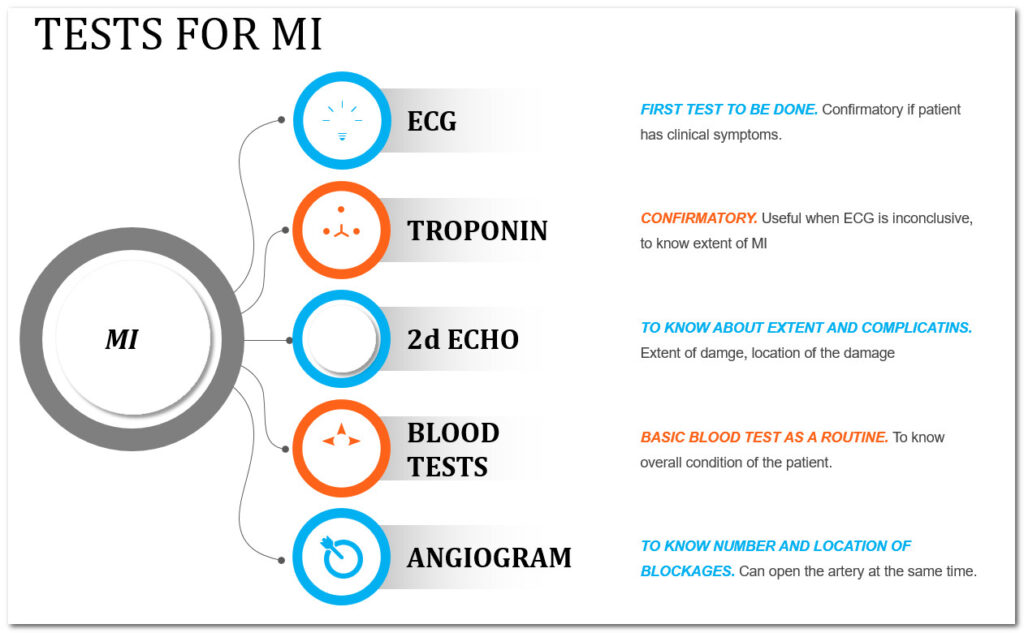
5.2. Electrocardiogram (ECG)
Critical for identifying MI:
- ST-segment Elevation (STEMI): Indicates severe ischemia.
- NSTEMI: Shows ST-segment depression or T-wave inversion.
- Pathological Q Waves: May develop over time, indicating a previous MI.

5.3. Biochemical Markers
Blood tests measuring cardiac enzymes (e.g., troponin) indicate heart muscle damage.
5.4. Imaging Studies
- Echocardiography: Assesses heart structure and function.
- Coronary Angiography: Visualizes coronary arteries to identify blockages.
6. Treatment of Myocardial Infarction
Immediate treatment is crucial to restore blood flow and limit myocardial damage:
6.1. Pharmacological Interventions
- Aspirin: Reduces clots.
- Thrombolytic Agents: Dissolve existing clots.
- Antiplatelet Drugs: Prevent further clot formation (e.g., clopidogrel).
- Beta-Blockers and ACE Inhibitors: Manage heart workload and lower blood pressure.
6.2. Revascularization Procedures
- Percutaneous Coronary Intervention (PCI): Minimally invasive procedure to open blocked arteries.
- Coronary Artery Bypass Grafting (CABG): Surgical procedure for severe cases.
6.3. Cardiac Rehabilitation
Structured programs focusing on exercise, education, and counseling to aid recovery and improve heart health.
7. Prevention of Myocardial Infarction
Preventing MI involves managing risk factors through lifestyle changes and medical interventions:
7.1. Lifestyle Modifications
- Healthy Diet: Emphasizing fruits, vegetables, whole grains, and lean proteins.
- Regular Exercise: Aim for at least 150 minutes of moderate aerobic activity weekly.
- Weight Management: Maintain a healthy weight.
7.2. Avoiding Tobacco
Quitting smoking and avoiding secondhand smoke drastically reduce heart attack risk.
7.3. Managing Chronic Conditions
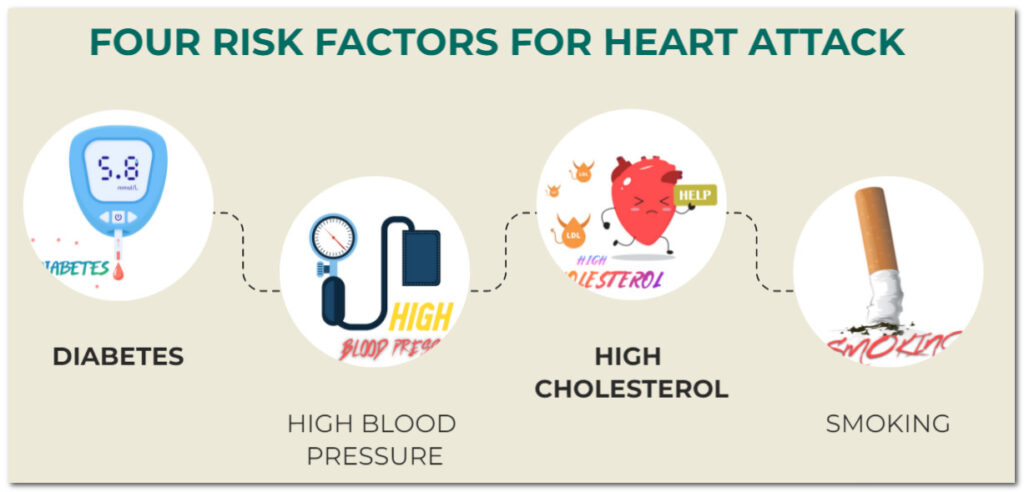
Control hypertension, diabetes, and high cholesterol through medication and lifestyle changes.
7.4. Regular Check-Ups
Routine health screenings to monitor heart health.
7.5. Stress Management
Techniques such as mindfulness, yoga, and counseling to reduce stress.
8. Unknown Factors and Recent Research
8.1. Gender Differences
Research indicates that women may experience different symptoms and outcomes regarding MI, often leading to underdiagnosis or delayed treatment.
8.2. Genetic Factors
Emerging studies suggest that genetic predisposition plays a role in myocardial infarction risk, with specific genes linked to heart disease.
8.3. Role of Inflammation
Inflammation is increasingly recognized as a contributing factor to atherosclerosis and myocardial infarction, leading to research into anti-inflammatory treatments.
8.4. Psychological Factors
Mental health conditions, such as depression and anxiety, have been linked to increased risk of MI and poor outcomes, highlighting the importance of psychological well-being in heart health.
Conclusion
Myocardial infarction poses a critical challenge to global health, but through informed awareness, proactive prevention, and timely treatment, its impact can be significantly mitigated. By understanding the risk factors, recognizing symptoms, and committing to lifestyle changes, individuals can improve their heart health and reduce the likelihood of experiencing an MI.
For more information and ongoing discussions, we invite you to connect with us on our Facebook page. Stay informed, stay healthy, and remember, knowledge is power when it comes to heart health.
Post a Comment